


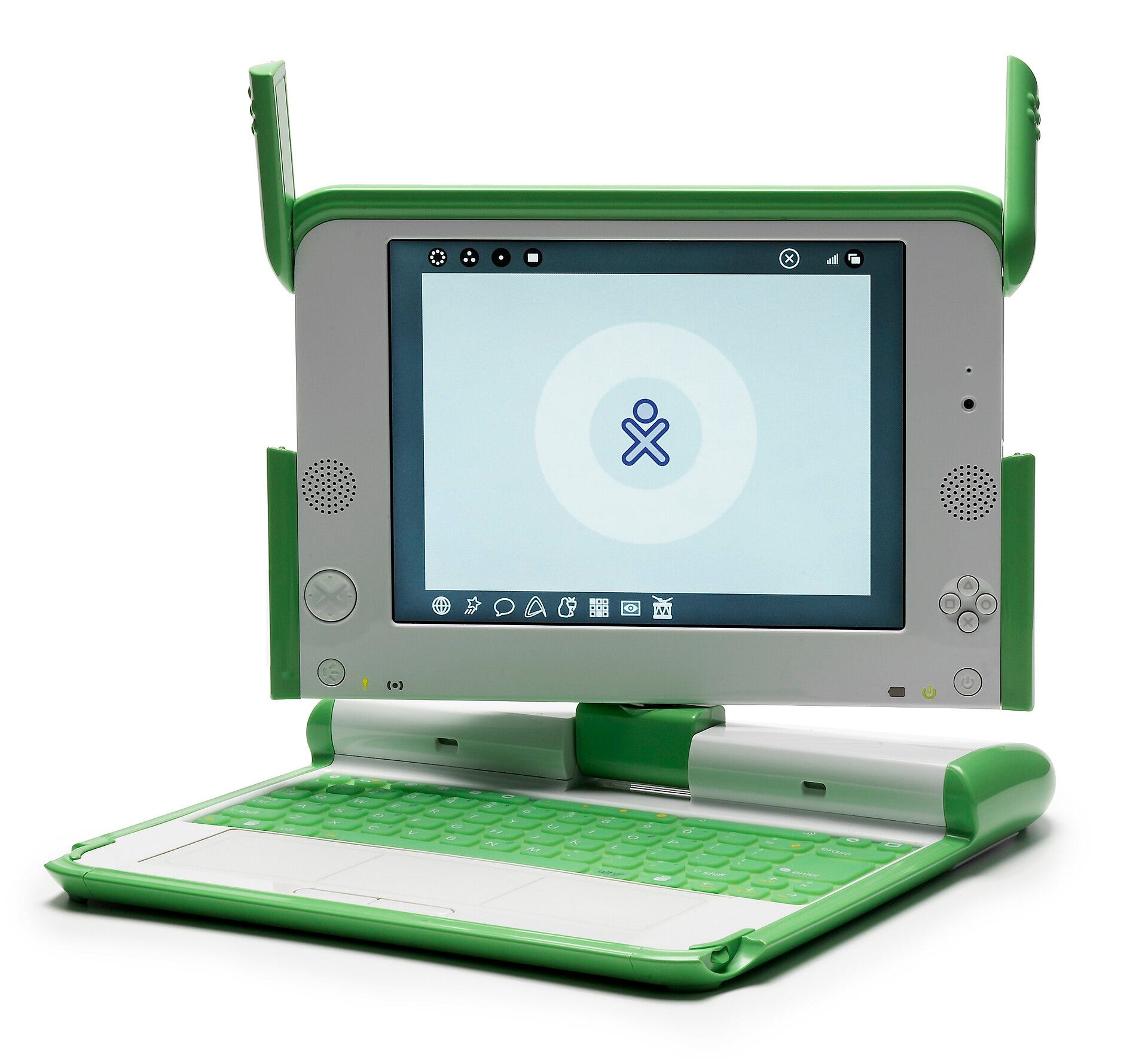
In the mid-2000s, MIT professor Nicholas Negroponte had a wild idea: what if every child in the developing world had a computer? And this wasn’t some smoky gaming cafe or a school computer. It was a machine that the child owned and could use every day. I twas connected to the nascent internet, had a simple operating system, and was rugged enough to survive any conditions.
The result was the One Laptop per Child project and one of the strangest, most ambitious computers ever put into mass production: the OLPC XO-1.
Most people knew it by another name: the $100 laptop.
Launched in 2007, it never really became a $100 laptop. It didn’t transform global education in quite the way its creators expected, either. But the XO still mattered. More than 2.4 million had shipped by 2011, according to the Computer History Museum, and some estimates eventually put total distribution around 3 million machines. More importantly, the project forced the computer industry to reconsider some basic assumptions about what a laptop needed to be.
