


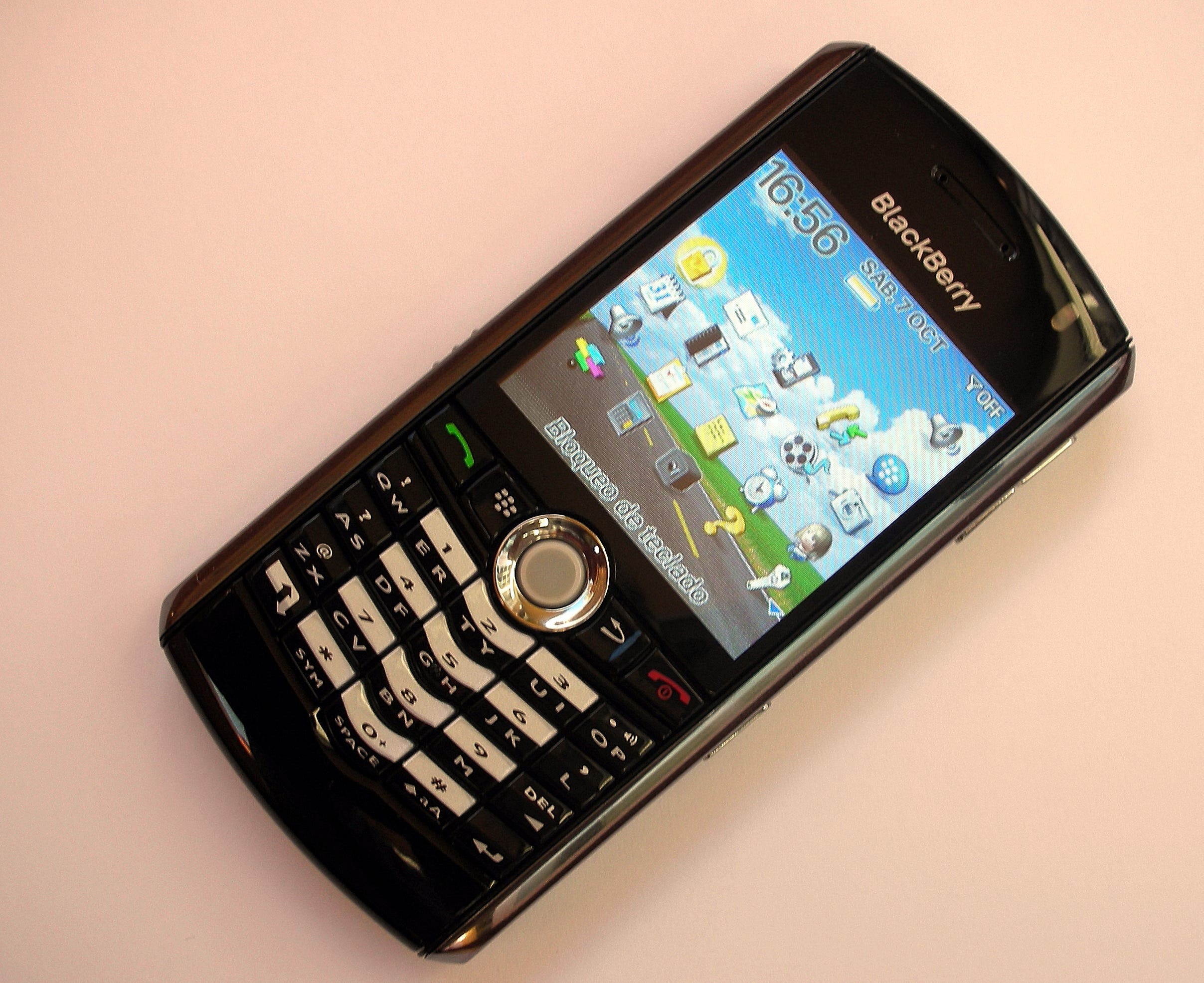
Before smartphones became featureless slabs of glass, phone makers were willing to try almost anything to make their devices easier to use. There were scroll wheels, joysticks, directional pads and even tiny keyboards that required considerable practice to master. In 2006, Research In Motion introduced the BlackBerry Pearl, a phone that made one of the smallest input devices in mobile history feel remarkably natural.
The Pearl, officially the BlackBerry 8100, was a major change for a company best known for large, business-focused smartphones. Earlier BlackBerry devices were wide, practical machines designed primarily for email. The Pearl was narrow, light and surprisingly attractive. It looked like something you could carry on a night out rather than something issued by your company’s IT department.
But the most interesting part was the little white ball sitting directly beneath its screen.
A Trackball in Your Pocket
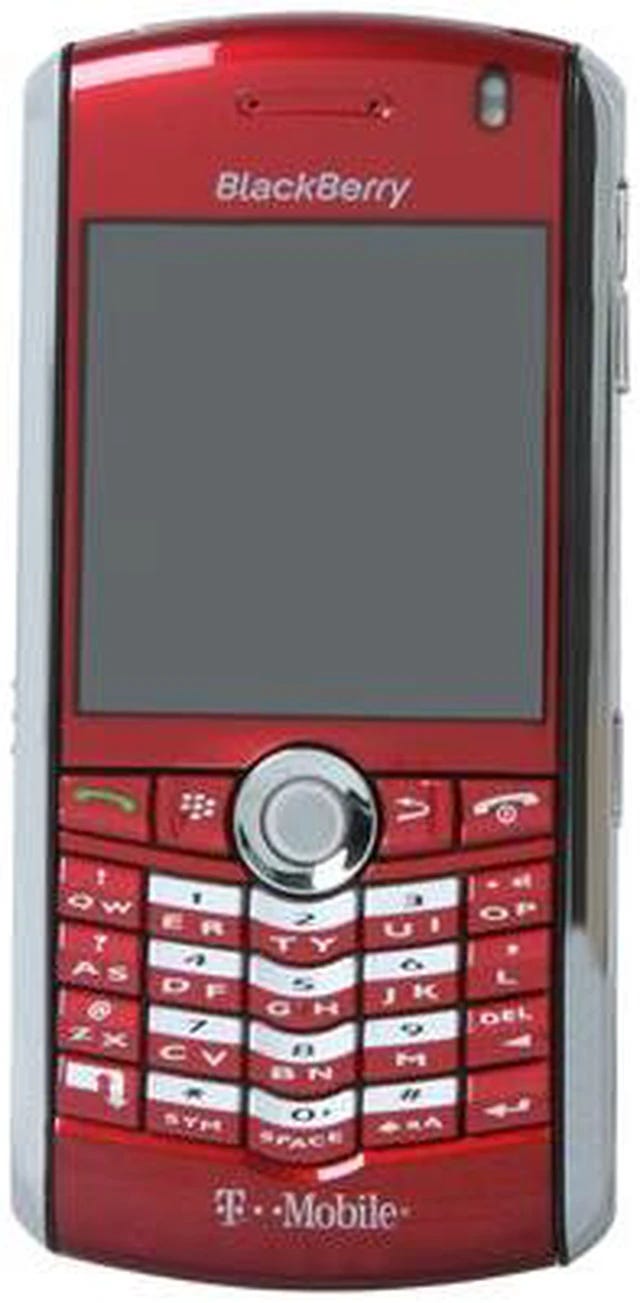
The Pearl’s defining feature was its miniature trackball, which replaced the side-mounted scroll wheel found on earlier BlackBerry models. The trackball could move in four directions and could be pressed to select items. It was a small change that fundamentally altered how people interacted with their phones.
Instead of repeatedly pressing directional buttons to move through menus, you could roll your thumb across the ball. The cursor moved with it. You could scroll through emails, move around web pages, select icons and work your way through menus without shifting your grip.
There was something deeply satisfying about the mechanism. You could feel the ball turning beneath your thumb. It provided a physical connection to the software that modern touchscreens rarely offer. The ball also glowed white, giving the Pearl its name and adding a bit of personality to an otherwise serious device.
The trackball was not perfect. Dirt and pocket lint could interfere with its movement, and heavy users sometimes found themselves cleaning or replacing the mechanism. Still, when it worked, it was excellent.
More importantly, it made sense. The screen was too small for comfortable touch input, and a conventional directional pad would have felt clumsy. The trackball offered a level of control that suited the device’s size.
The Strange Genius of SureType
The Pearl also introduced many consumers to BlackBerry’s SureType keyboard, another attempt to rethink mobile input.
Rather than fitting a full QWERTY keyboard onto its narrow body, RIM placed two letters on most of the Pearl’s keys. Its predictive text software worked out what you intended to type.
This was a compromise, particularly for users accustomed to BlackBerry’s excellent full keyboards. But it allowed the company to produce a much smaller phone while preserving much of the BlackBerry messaging experience.
I personally hated SureType but many swore by it. BlackBerry’s full-QWERTY keyboard phones were the industry standard for email management but this new version — aimed at a less business-focused audience — brought BlackBerry to a wider swath of mobile users.
All that said, once you learned the keyboard, typing became surprisingly fast. Combined with the trackball, the Pearl offered a distinctive way of using a smartphone. Your thumb moved between the keys and the little ball, handling almost every task without ever touching the display.
It was a system built around physical interaction rather than gestures on glass.
When BlackBerry Tried to Be Cool
The Pearl also marked an important shift in BlackBerry’s identity.
RIM understood that its devices could no longer survive on corporate email alone. Consumers wanted cameras, music players and phones that looked good. The Pearl included a 1.3-megapixel camera, multimedia playback and a microSD card slot. It also retained BlackBerry’s excellent email system and messaging features.
For many buyers, it was their first BlackBerry. It offered the company’s communications tools without the bulky appearance of earlier models.
The Pearl arrived in September 2006, just months before Apple introduced the first iPhone in January 2007. That timing makes the device especially interesting. It represented one of the last major efforts to perfect the traditional smartphone before capacitive touchscreens changed the industry’s direction.
RIM continued using trackballs on later BlackBerry models, including the Curve and Bold, before moving toward optical trackpads. Eventually, touchscreens took over.
Why We Loved It
The BlackBerry Pearl was not the fastest phone, the best camera phone or even the easiest BlackBerry to type on. What made it special was the way its hardware and software worked together.
The trackball gave the device a character that was immediately recognizable. Rolling through menus felt deliberate and precise. Clicking the ball to open a message or launch an application produced a small but satisfying physical response.
Today’s smartphones are vastly more capable, but they have also become remarkably similar. Most interaction takes place on a flat sheet of glass, with software deciding how the controls should behave.
The Pearl came from a period when manufacturers still treated physical controls as a serious part of product design. Its trackball was not a novelty added for marketing purposes. It solved a real problem and made the phone easier to use.
Nearly twenty years later, the BlackBerry Pearl remains a reminder that good technology is not always about bigger screens or faster processors. Sometimes it is about finding a better way for a human thumb to control a tiny computer.
And for a few glorious years, that meant rolling a little glowing ball around with your thumb.