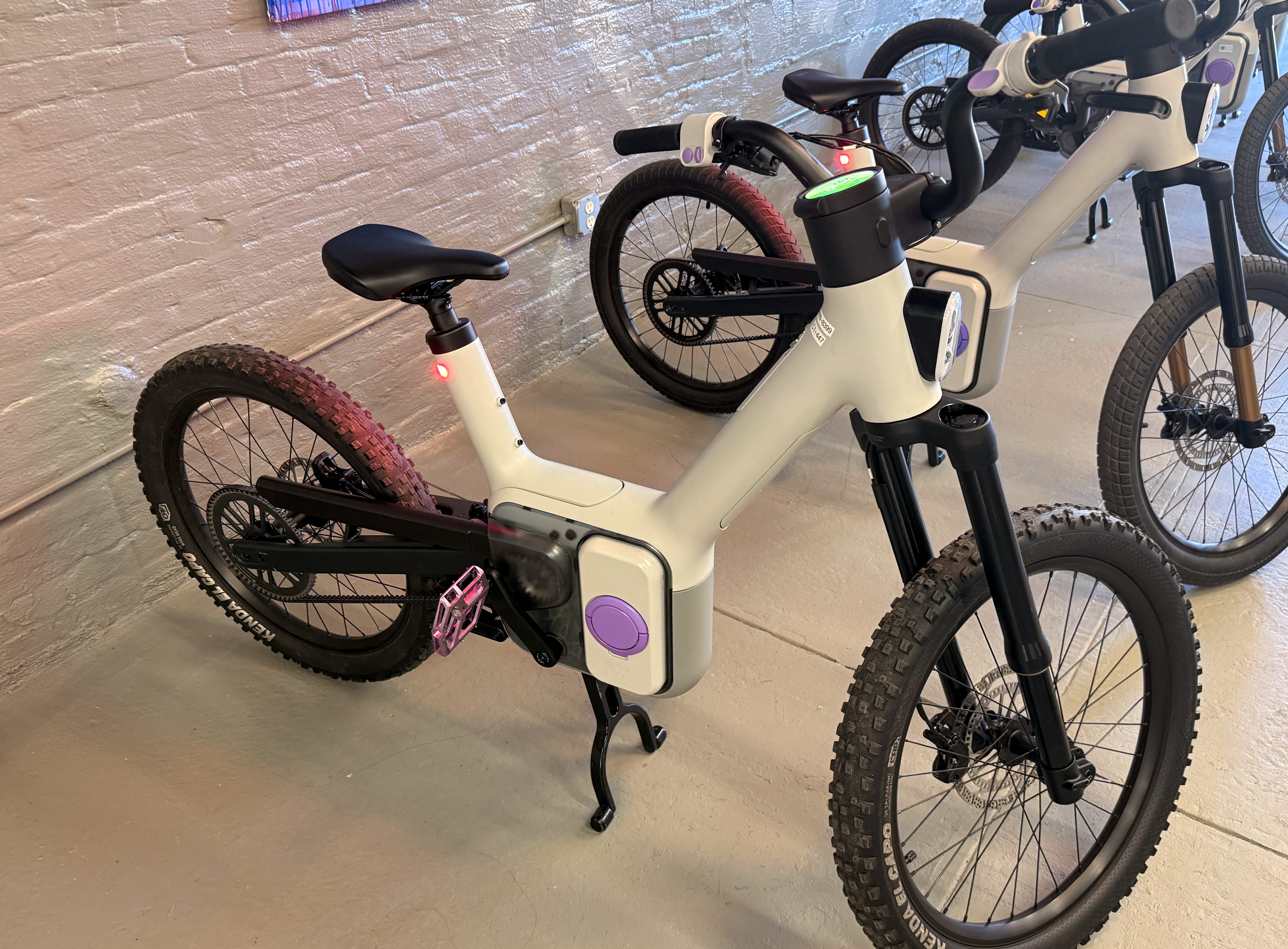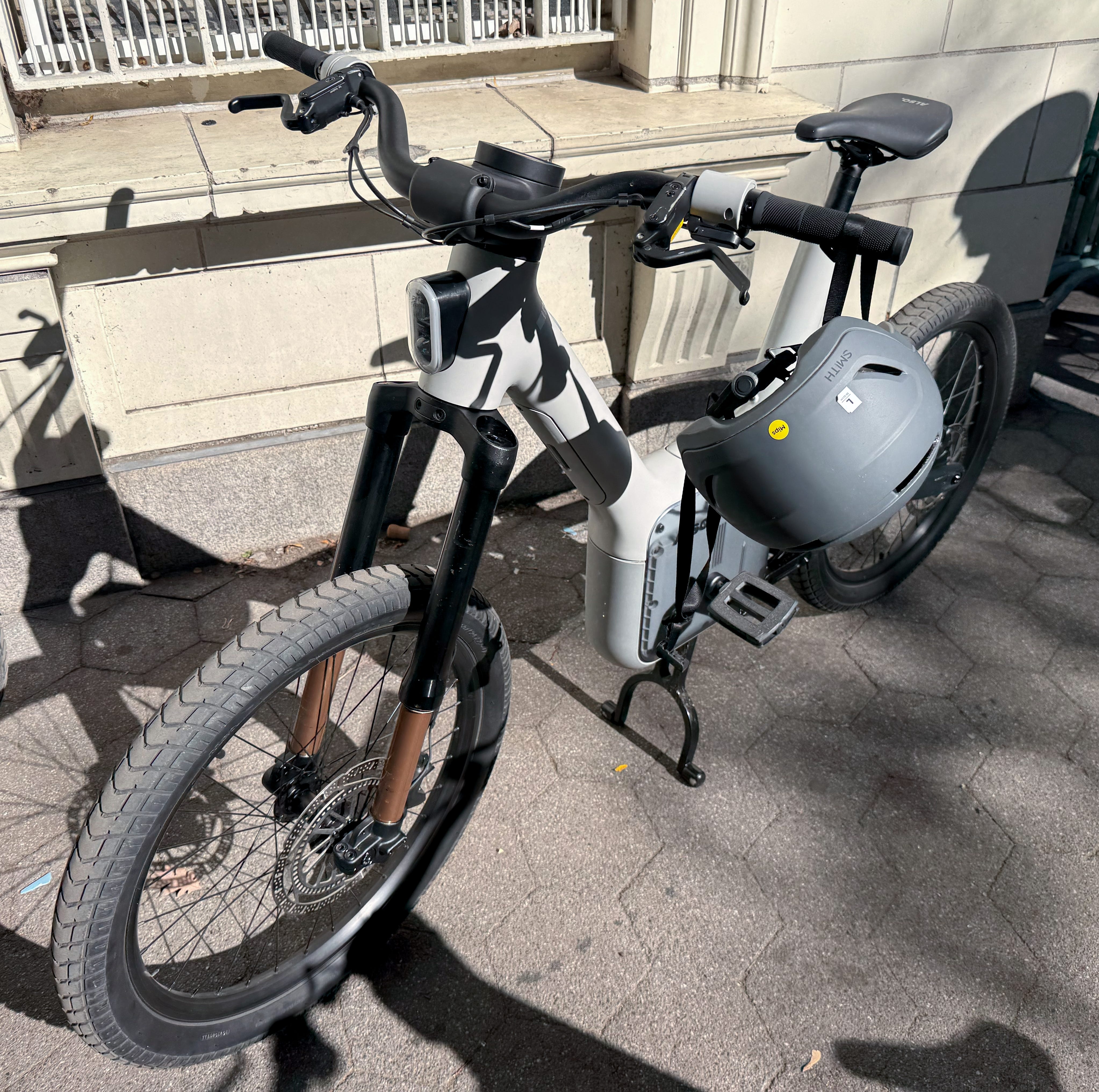
I love electric bikes. I’ve ridden a Retrospec Jax around the city since about 2021 and ended up welding the seat post back onto the frame simply because I couldn’t stand to lose access to that beast of an e-bike. That said, I might be ready to part with the Jax if I can get my hands on an Also TM-B.
The TM-B isn’t a conventional electric bicycle. Developed by ALSO, a company spun out of electric vehicle maker Rivian, the TM-B brings automotive engineering, integrated software and a new approach to electric propulsion to two-wheeled transportation. Starting in the $3,000 range, with Performance and Launch Edition models priced at $4,500, it’s designed for riders who want something more capable than a typical commuter e-bike.
First off let me note that the price tag is quite high for something like this but there are a few benefits to the TM-B over something like the Retrospec Jax. First, this thing runs on 60 miles on a single charge. That’s a huge deal. If you use manual mode — meaning you pedal and it offers pedal assist — you’re going to be enjoying that full 60 miles or more. If you’re a throttle jockey like me you’ll see about 10 miles less but you’re still hitting far more than a standard e-bike. Next, as mentioned above, this is the Apple iPhone of e-bikes. It’s well-built, high-tech, and eschews the “make a regular bike and add a battery” nature of cheaper brands. You’re buying an electric vehicle here, not a bike. Would I pay $4,500 for this thing? The answer is a resounding maybe, but it’s well worth the price if you intend to use this as an alternative to a second car for trips around a smaller city.
Back to the bike.
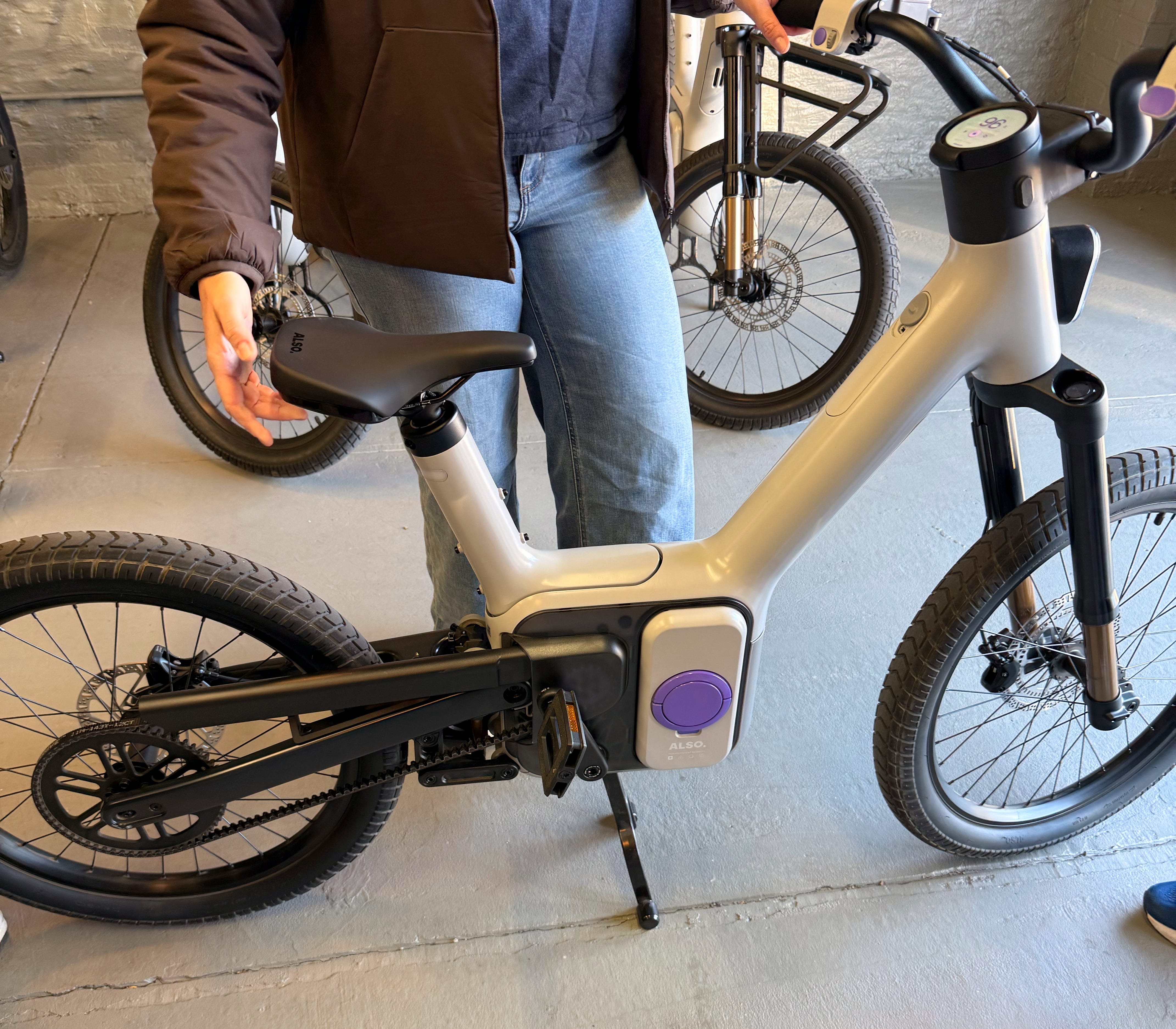
The biggest difference between regular e-bikes and the TM-B is the so-called Dream Ride propulsion system. Unlike traditional bicycles, there’s no mechanical connection between the pedals and the rear wheel. Instead, pedaling generates electricity that powers a custom-built motor, delivering up to 180 Nm of torque at the wheel. The system electronically controls pedaling resistance, allowing riders to maintain a consistent feel whether climbing hills or cruising on flat roads. Regenerative braking captures energy during deceleration and returns it to the battery, helping extend the bike’s claimed range of up to 100 miles, depending on configuration and riding conditions. This “pedal by wire” feature is honestly amazing. Further, it reduces the need for traditional bike parts. The only things moving here are the regenerative disk brakes and the rubber chain. Everything else is self-contained.
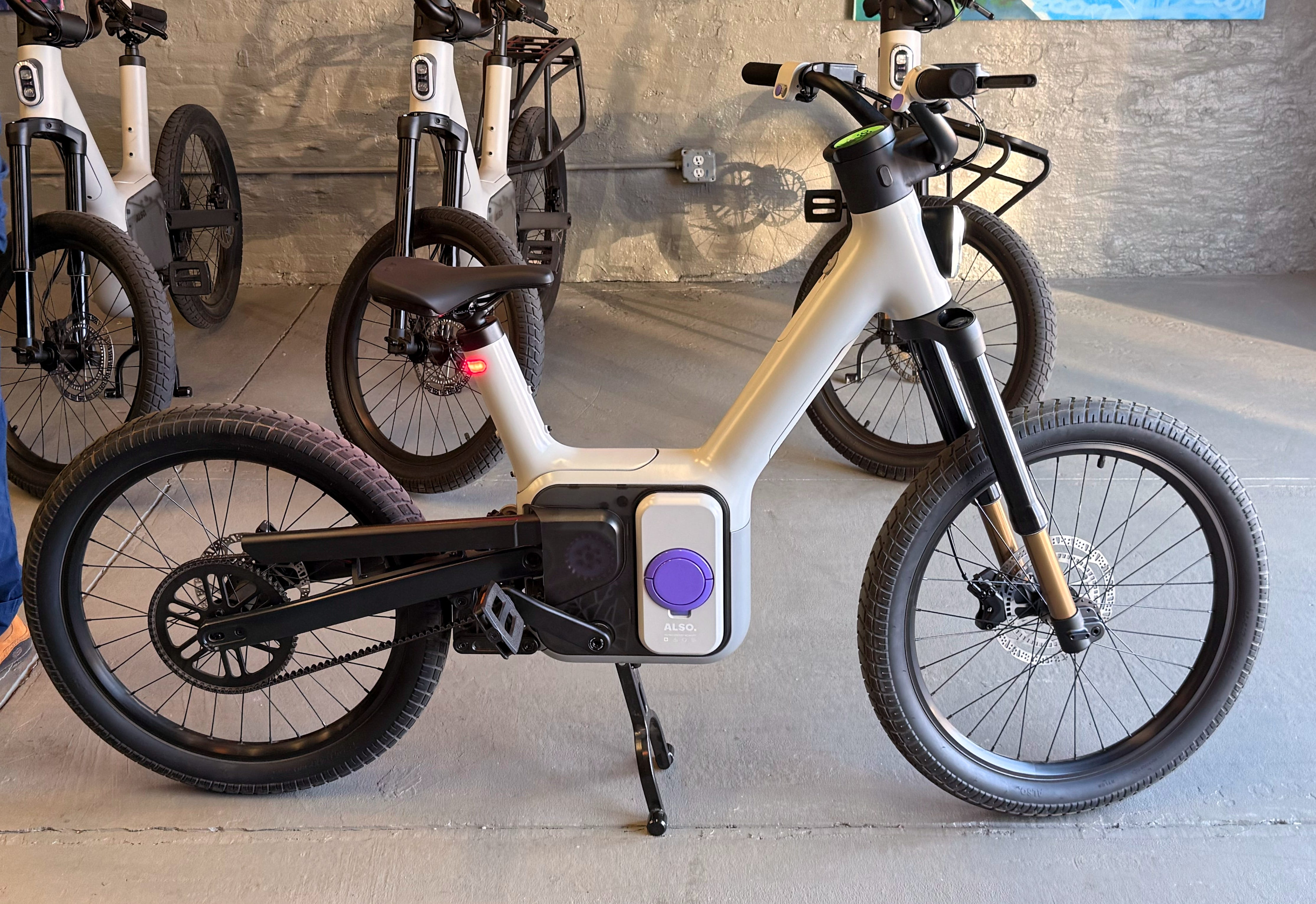
The TM-B also takes an unusual approach to construction. Its central magnesium structure houses the motor, removable battery and key electronic configurations for recreation, cargo carrying and more comfortable everyday riding. A built-in touchscreen-style control experience, delivered through Also’s high-contrast Portal LCD display, provides navigation, ride settings, media controls and battery information. You can also change the riding style from automatic to manual. Manual also places the bike into trail bike mode, allowing you for pedal assist while hitting the gravel. There is also walking assist which gives you a boost when pushing the bike up hills and holds the 80 pound beast back when going down them.


Security is another major focus. The TM-B can recognise its owner through a connected smartphone, automatically unlocking when approached and locking when the rider walks away. Electronic motor immobilisation, tamper alerts, GPS tracking and remote disabling add protection against theft. Over-the-air software updates also allow Also to improve features and performance after purchase. While I liked this feature, you’re going to want to lock this thing down with a chain if you’re in a big city.
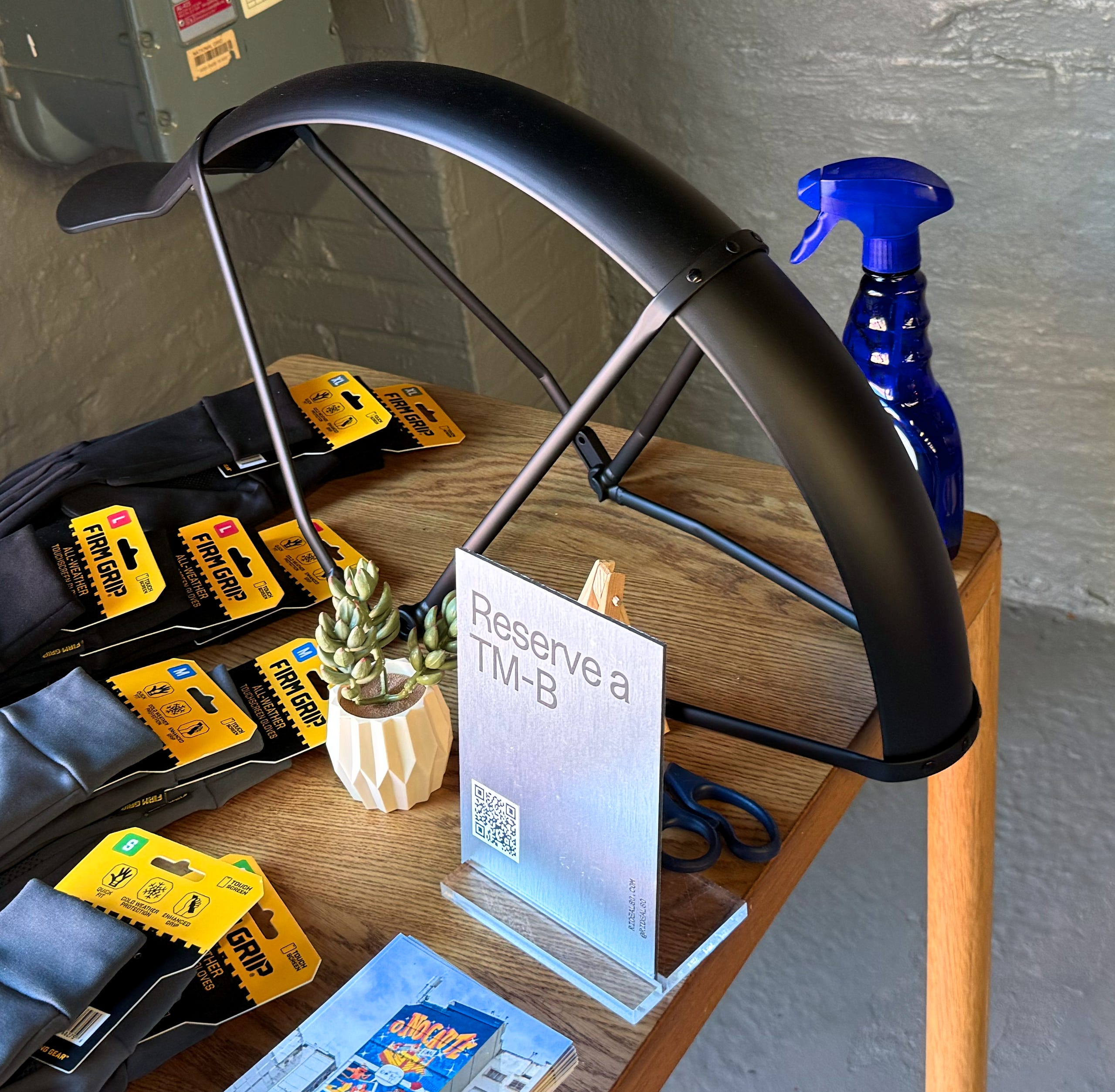
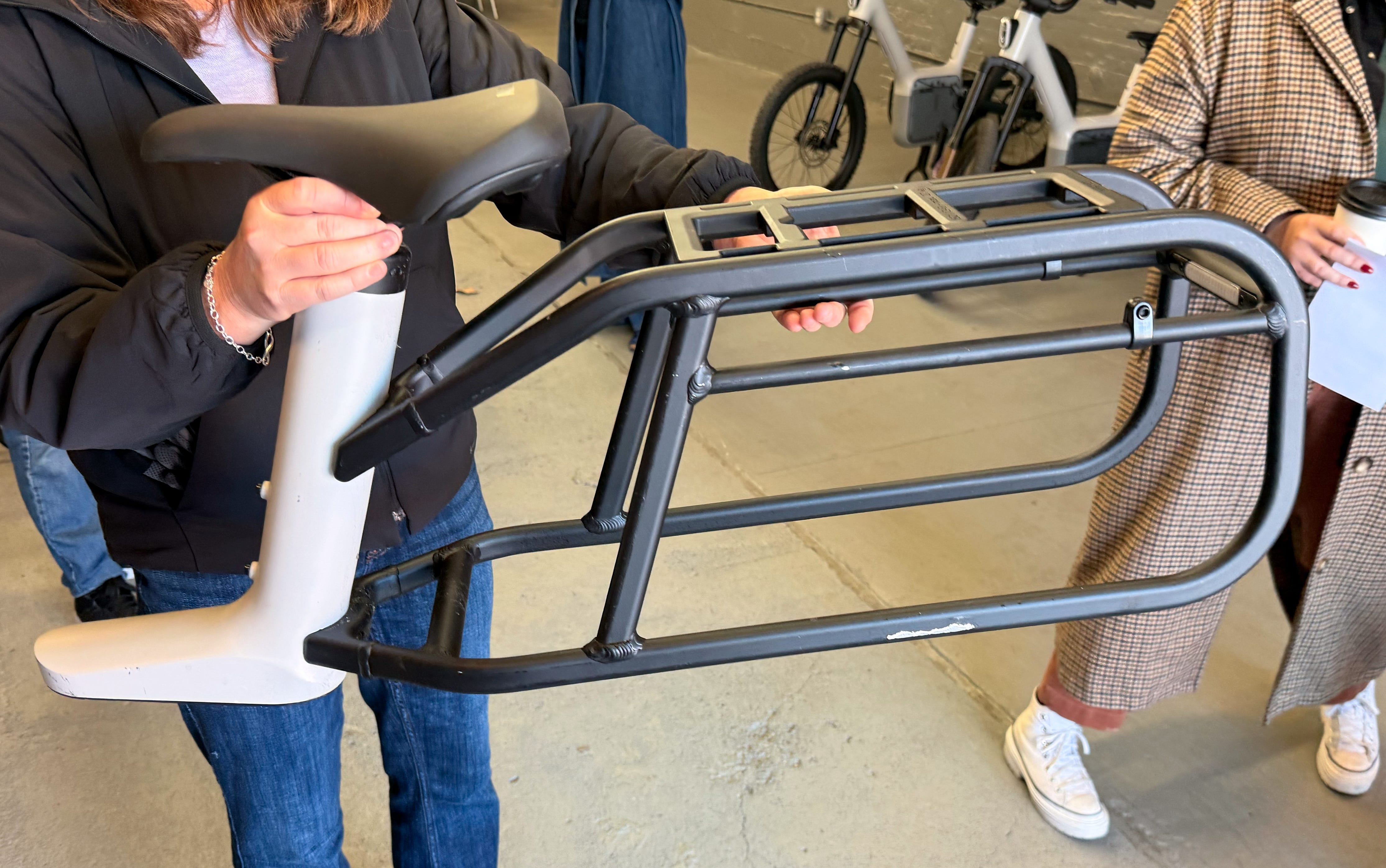
The TM-8 can hit speeds of up to 28 mph in some riding modes and has great air or spring suspension, depending on the model. The Performance model, for example, has a 100 mile battery and better shocks while the standard model gives you a 500 Wh battery. There is also a system for removing the seat and top frame, allowing you to add a cargo kit or a better seat for trail riding.
The Bottom Line
I rode the TM-B for an afternoon through Brooklyn and found it very zippy with great pickup and excellent brakes. The bikes definitely needed grippier road tires for the leaf and shmutz-strewn Brooklyn bike paths, and because the bike is so well-engineered, I found myself sliding to a stop more than once. Basically, the brakes caught a little too well.
The bike looks like something out of the heyday of hardware startups when companies like Juicero and Canary redesigned the same-old, same-old products with a Silicon Valley edge. They rarely survived.
Also, sadly, might follow in their footsteps.
I want it to survive simply because there is plenty of unique engineering ingenuity on display here, and I love the design, utility, and thoughtful touches like lockdown mode. Is it over-engineered? Absolutely. People are riding around on far worse bikes, and cladding something in white plastic and giving it a cool LCD display doesn’t make much sense for someone who might use this to deliver DoorDash.
But again, this isn’t for the delivery guy. It’s for the folks who want an electric bike and trail bike and also want to look cool. This is definitely the Jony Ive-style e-bike that will make SF denizens salivate, but it might not translate well in the burbs.
Ultimately, this thing is very cool, very usable, and very expensive. What that means to you as the consumer is that you need to decide if you want to ride the iPhone Duo of e-bikes or if you’re fine with the flip phone that you won’t mind crashing into a wall at some point. I know my choice — I’d want something slightly less precious — but your desires might vary.