


Choose Life. Choose a job. Choose a career. Choose a family. Choose a f*ing big television, choose washing machines, cars, compact disc players and electrical tin openers.
Choose all of that, but most of all choose that big f*ing television.
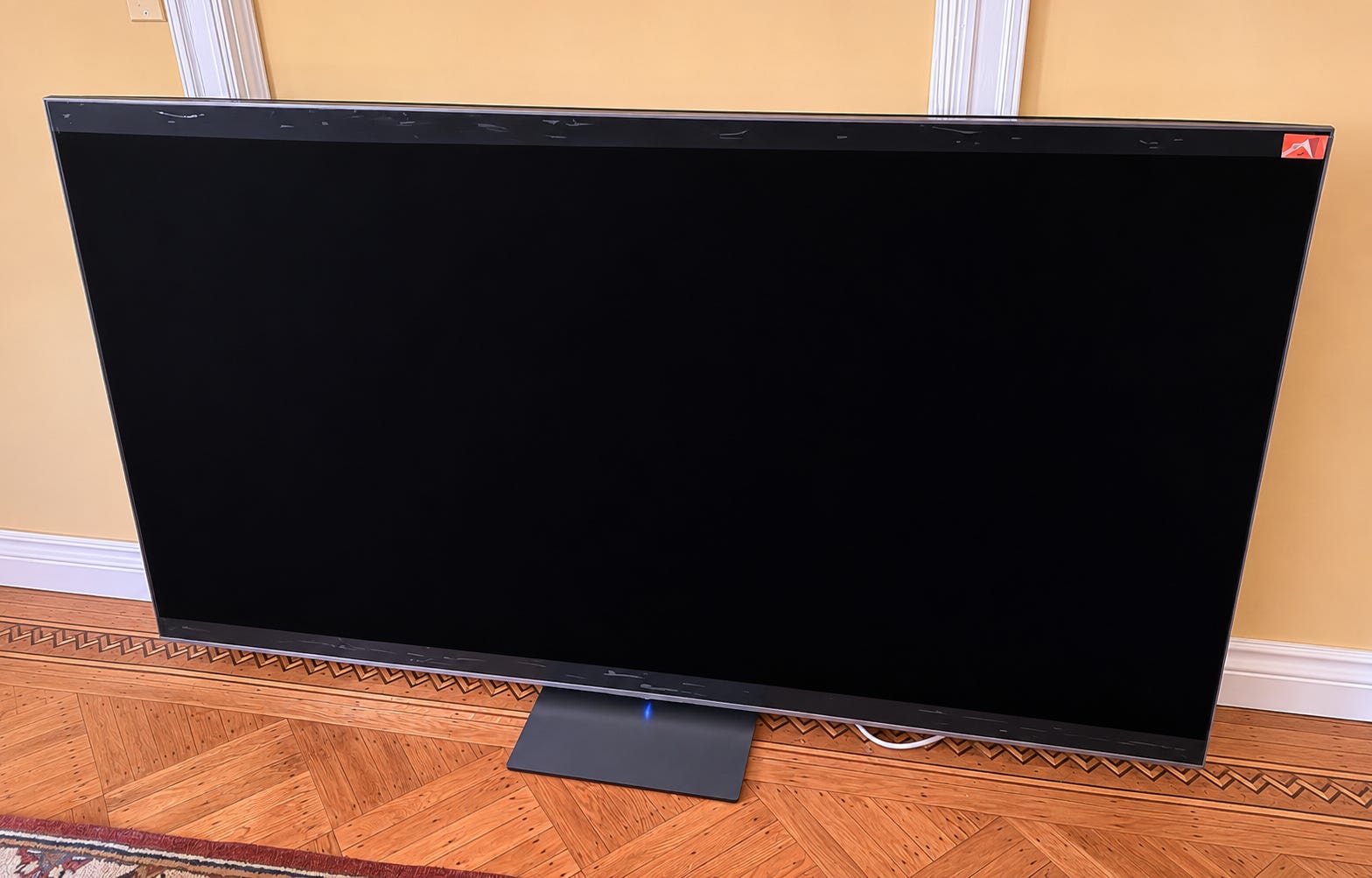
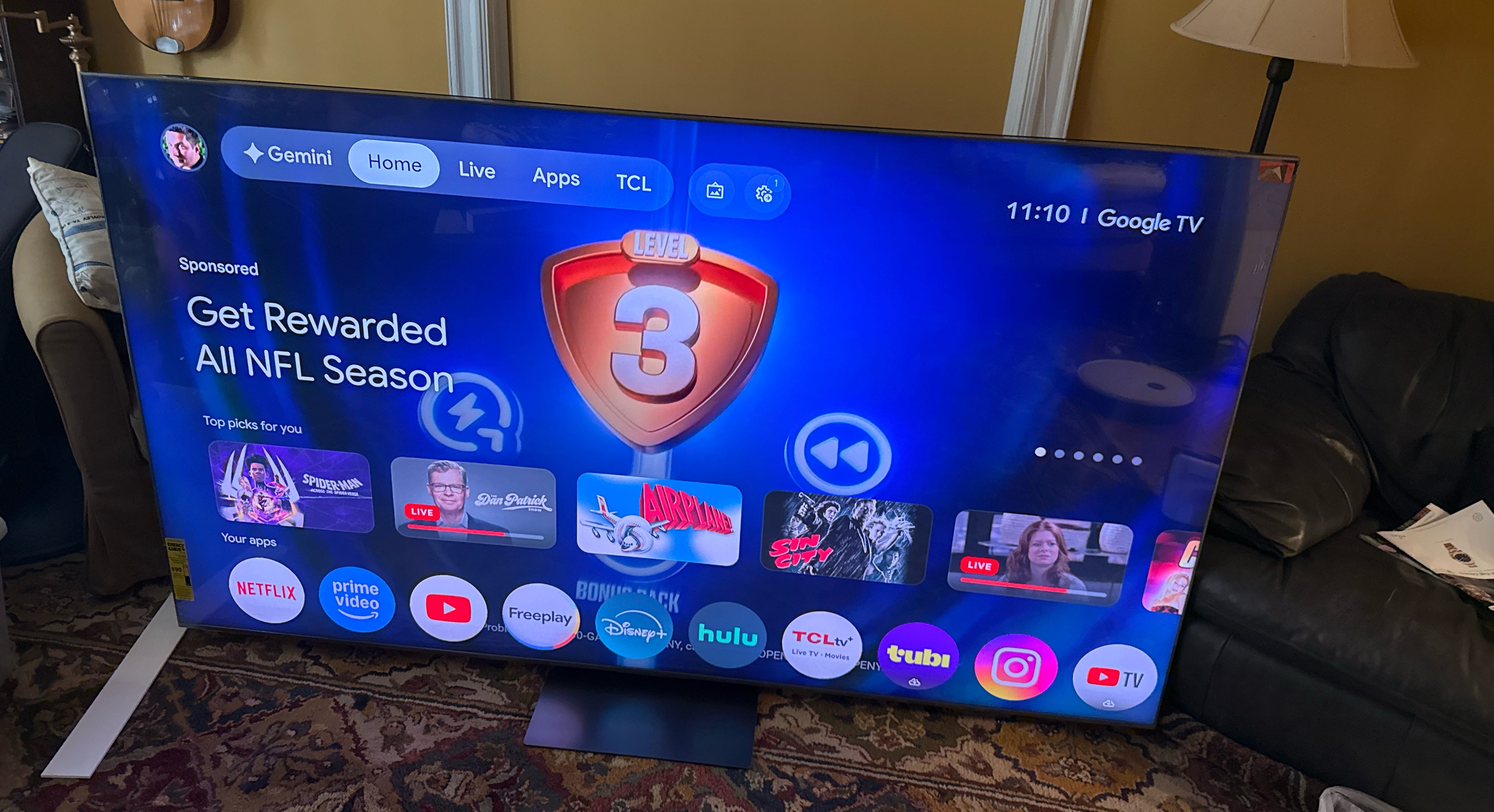
I was lucky enough to get access to one of the biggest televisions I’ve personally ever seen and, as you might imagine from the above Trainspotting quote, it changed my life. This beast, a SQD Mini LED behemoth from TCL, is probably the clearest and cleanest TV I've seen in years at a price — $2,299 — that is nearly as eye-watering as it might seem.
That TV, the TCL 85” QM8L SQD Mini LED Smart TV, is the coolest thing I’ve seen in TVs in years.
First things first: it’s big. This isn’t a TV you can fit into your demure one bedroom. It’s a massive sheet of glass designed to live in a big rec room or family room. Further, you probably want to mount this thing. Having it live on the floor is fine but to truly display the magic of the full SQD Mini LED brilliance you want an untrammeled view.
First off, what’s inside this thing?
SQD^2
The TCL QM8L is an 85-inch 4K television that uses the company’s new SQD-Mini LED technology to deliver brighter images, deeper blacks and a wider range of colors than conventional LED televisions. At $2,999.99, it’s hardly an impulse purchase, but it’s considerably more approachable than some of the premium displays it hopes to compete with.
And TCL isn’t being shy about its ambitions. The company claims its QM8L can outperform flagship televisions from competing manufacturers while offering a better price.
That’s a bold statement in a market where Samsung, Sony and LG have spent years convincing buyers that the best picture quality comes at a premium.
What’s Different About SQD-Mini LED?
The biggest selling point of the QM8L is its display technology. TCL calls it SQD-Mini LED, a system that combines Super Quantum Dots, a new color filter and advanced image processing to produce a wider and more accurate color range.
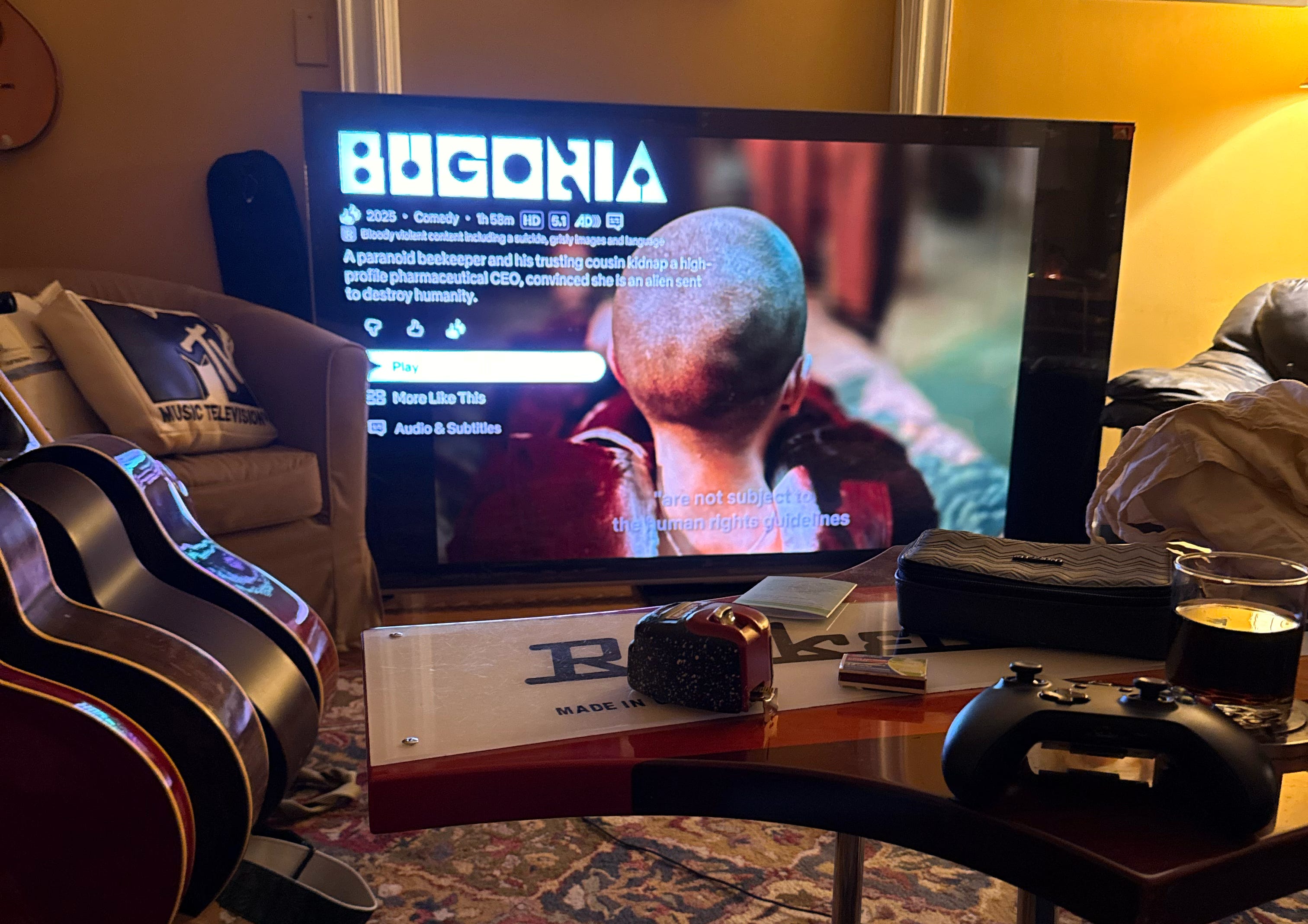
TCL claims the technology can reproduce 100% of the BT.2020 color space, a standard that covers a far wider range of colors than most televisions can display. Looking at this thing and you know that they’re doing something amazing with the color gamut. The TV is bright, clear, and almost overly vivid. Because of the size, the whole thing feels like a window in your wall onto whatever you’re watching. A Fred Again concert we watched on YouTube looked like it was appearing a few feet away. In short, you’re going to see everything in this TV.
Of course, most movies and streaming content don’t use the full BT.2020 color space, so the practical benefit depends on how accurately the television handles the material you’re actually watching.
The QM8L also uses TCL’s CSOT WHVA 2.0 Ultra Panel, which promises improved viewing angles and a native contrast ratio of up to 7,000:1. An anti-reflective coating helps reduce glare, making this a potentially good choice for living rooms with large windows or bright lighting.
TCL has also worked to reduce one of the more annoying problems with Mini LED televisions: blooming. That’s the faint glow you sometimes see around bright objects against dark backgrounds, particularly subtitles or stars in a night sky.
The company’s enhanced Halo Control System uses a new 26-bit backlight controller, improved light distribution and software designed to preserve shadow detail while reducing unwanted light around bright objects.
The QM8L series offers up to 4,000 local dimming zones and up to 6,000 nits of peak brightness. These are impressive figures, although TCL’s published maximums shouldn’t automatically be taken as the exact performance of the 85-inch version.
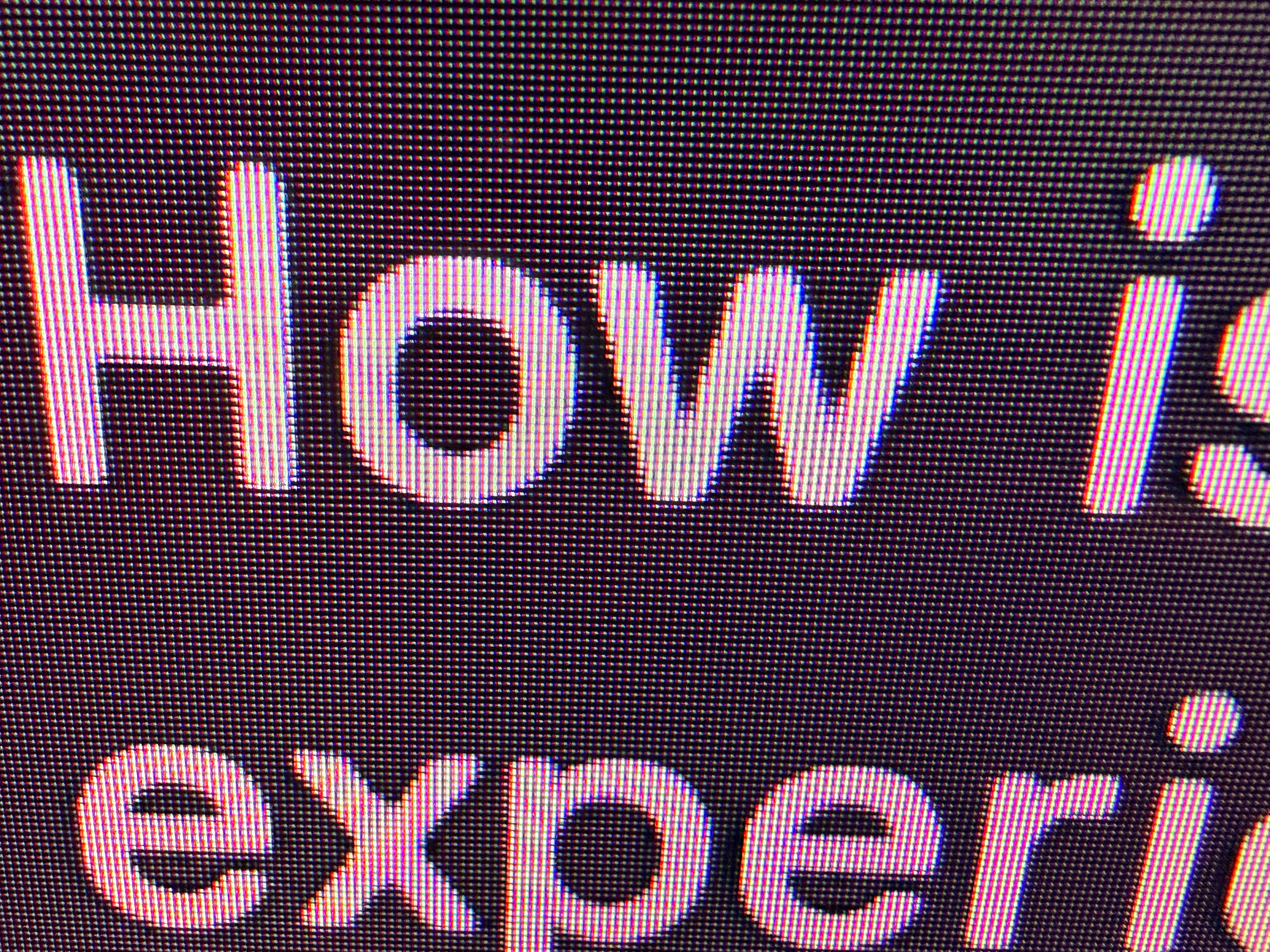
Even so, the technology has a clear purpose. TCL wants to deliver the deep blacks associated with OLED displays while maintaining the brightness that makes Mini LED attractive for daytime viewing.

An 85-Inch Screen Changes Everything
At this size, the QM8L isn’t simply a bigger television. As I said before, it’s a window into another world.
Movies benefit from the sheer scale, particularly films with wide landscape shots, detailed visual effects and large action sequences. Sports also make sense on a screen this big, provided your seating distance is reasonable.
The resolution is still 4K, which means the 85-inch model has the same number of pixels as the smaller QM8L televisions. Sit too close and you may begin to notice the limits of lower-quality content, particularly compressed streaming video.
TCL’s TSR AI Pro Processor attempts to address this by adjusting image quality scene by scene, improving detail, contrast and color based on the content.
As always, AI image processing is something worth treating with some skepticism. More processing doesn’t necessarily mean a better image. Sometimes the best picture is the one that looks closest to the original source.
Still, the QM8L has the hardware to make a compelling case for itself, particularly when displaying high-quality 4K HDR material.
Sound by Bang & Olufsen
One of the more interesting additions to the QM8L is its audio system, developed with Bang & Olufsen. Built-in television speakers are rarely a reason to buy an expensive display, but TCL is trying to make them more useful.
The QM8L also supports an expandable wireless home theatre system. Owners can add an optional wireless subwoofer without purchasing a separate soundbar, then expand the setup with compatible wireless speakers using Dolby Atmos FlexConnect.
The system supports configurations up to 4.1.4, allowing for a more complete surround sound setup without the usual collection of speaker wires running around the room.
It’s a sensible approach. Not everyone wants to purchase a television and immediately spend another thousand dollars on audio equipment.
Whether the built-in speakers are enough for a room large enough to accommodate an 85-inch screen is another question. A dedicated audio system will still make sense for serious movie watching.
Google TV Gets More Conversational
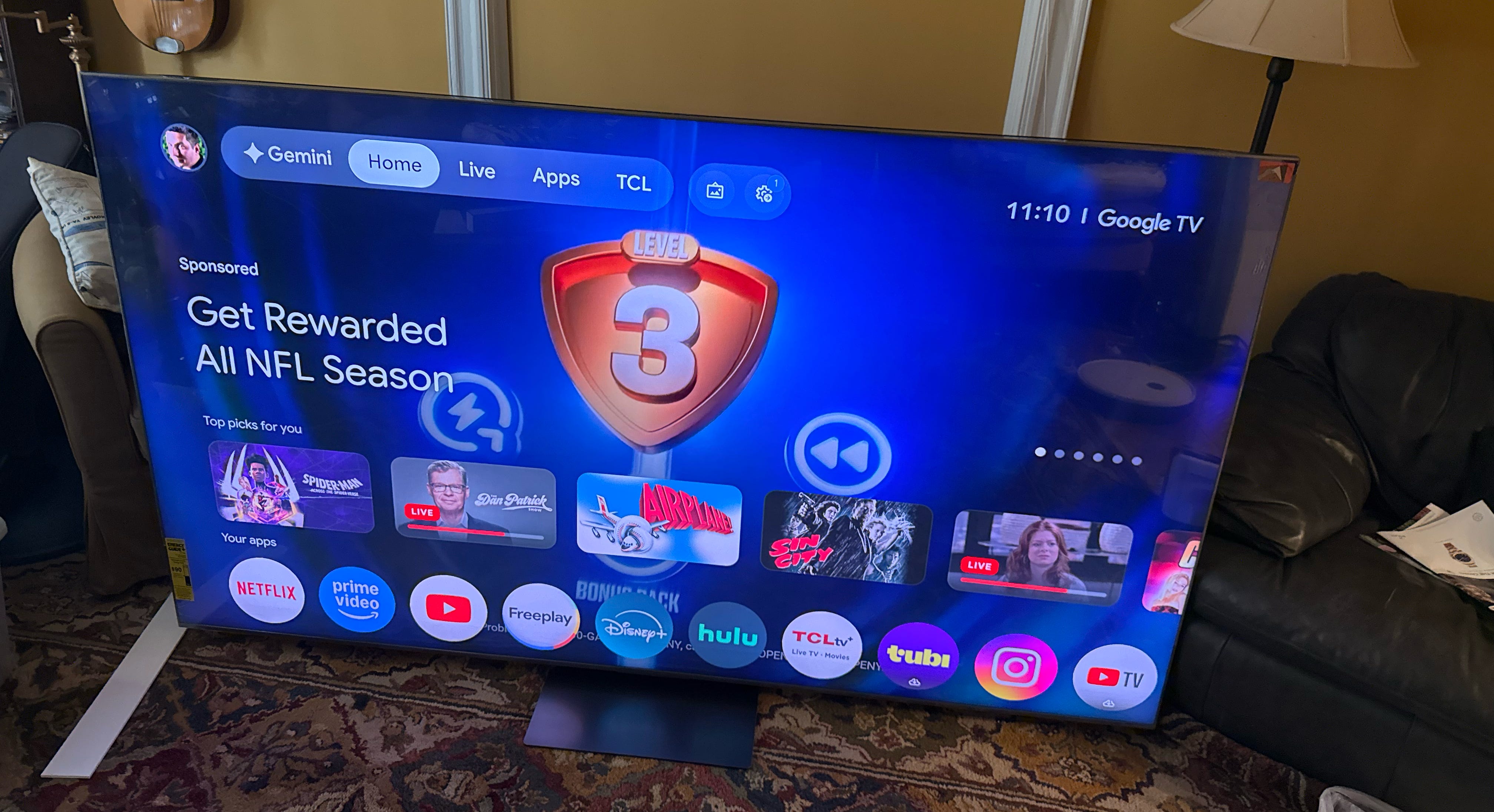
The QM8L runs Google TV, which means access to the familiar collection of streaming services, apps and recommendations.
TCL is also adding Gemini, Google’s AI assistant, to make television controls more conversational.
Instead of searching through settings menus, users will be able to ask the television to adjust picture or sound settings using natural language. Gemini can also help find movies, recommend shows and answer questions.
Google’s Veo video generation technology is also coming to TCL televisions, allowing users to create short AI-generated clips and animate photographs directly on the screen.
It’s an interesting addition, although I’m not convinced that generating AI videos is something most people need from their television.
Finding the right show without spending twenty minutes scrolling through menus would be a much more useful achievement.
TCL says these newer Google TV features will roll out through software updates, so buyers should check which functions are available when they purchase the set.
The Price of Going Big
This is a great TV but it’s expensive enough that buyers should expect excellent picture quality, reliable software and strong performance across movies, sports and gaming. But it also costs less than many similarly sized premium televisions.
The QM8L is available in 65, 75, 85 and 98-inch versions, with prices ranging from $2,499.99 to $5,999.99.
For buyers who don’t need the highest brightness or the most advanced panel technology, TCL also offers the QM7L series. Its 85-inch model costs $2,499.99, a substantial saving.
That makes the QM8L a harder purchase to justify on size alone. You’re paying an additional $1,500 for the more advanced display, processing and backlight technology.
The question is whether those improvements are worth the difference.
The Bottom Line
The TCL QM8L 85-inch is an ambitious television that brings together several of the most interesting developments in modern display technology.
Its combination of quantum dots, Mini LED backlighting, advanced local dimming and high peak brightness gives it the potential to compete with some of the best large-screen televisions on the market.
The Bang & Olufsen audio system and expandable wireless speakers are welcome additions, while Google TV keeps the software familiar and relatively straightforward.
There are still questions that require hands-on testing, particularly around blooming, motion handling, color accuracy and how well TCL’s AI processing handles ordinary streaming content. Manufacturer specifications alone cannot settle those issues.
But the QM8L makes a strong case for the continued relevance of Mini LED at a time when OLED dominates much of the premium television conversation.
For anyone looking to turn a living room into a serious home theatre without spending five figures on a television, the 85-inch QM8L deserves a closer look.