


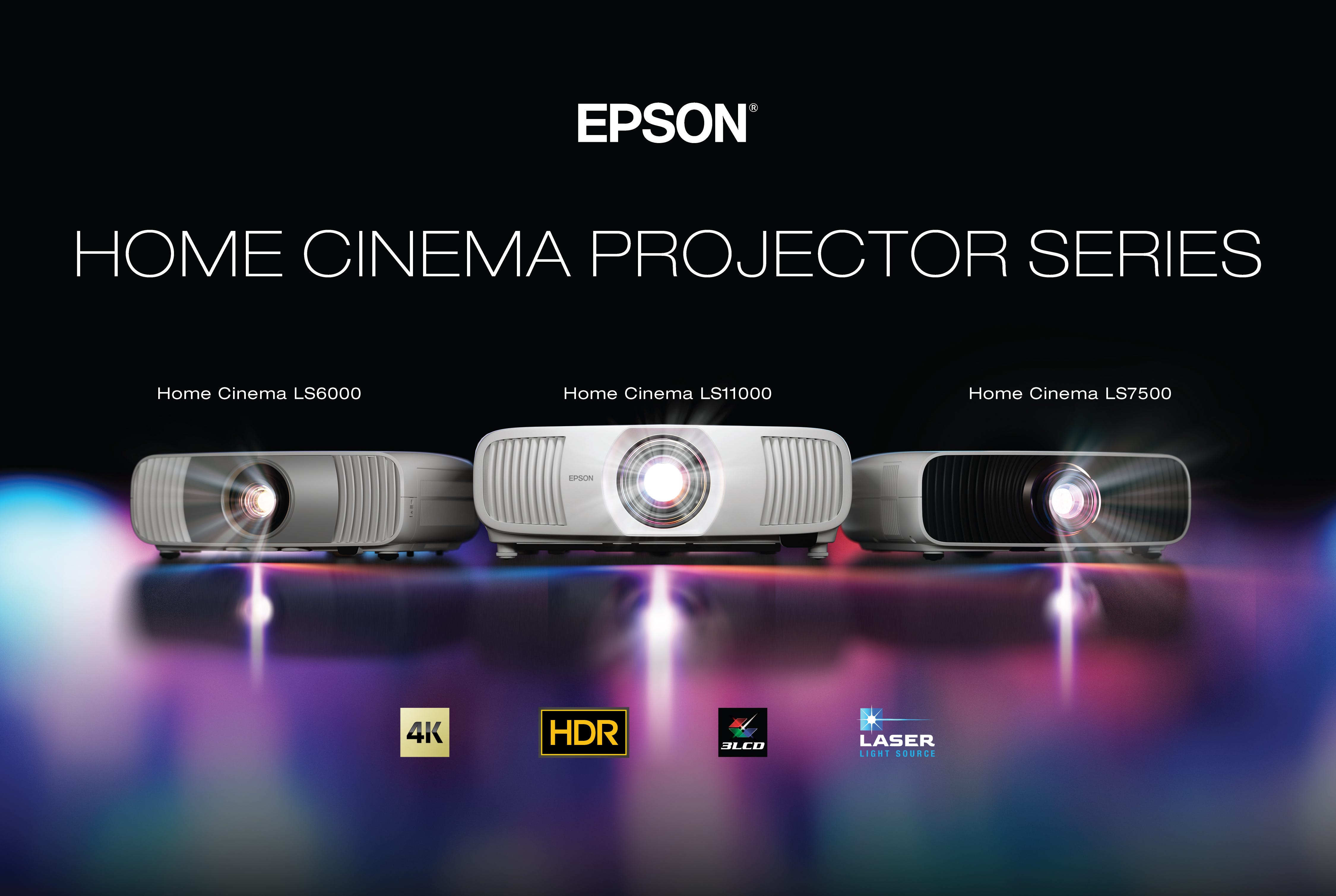
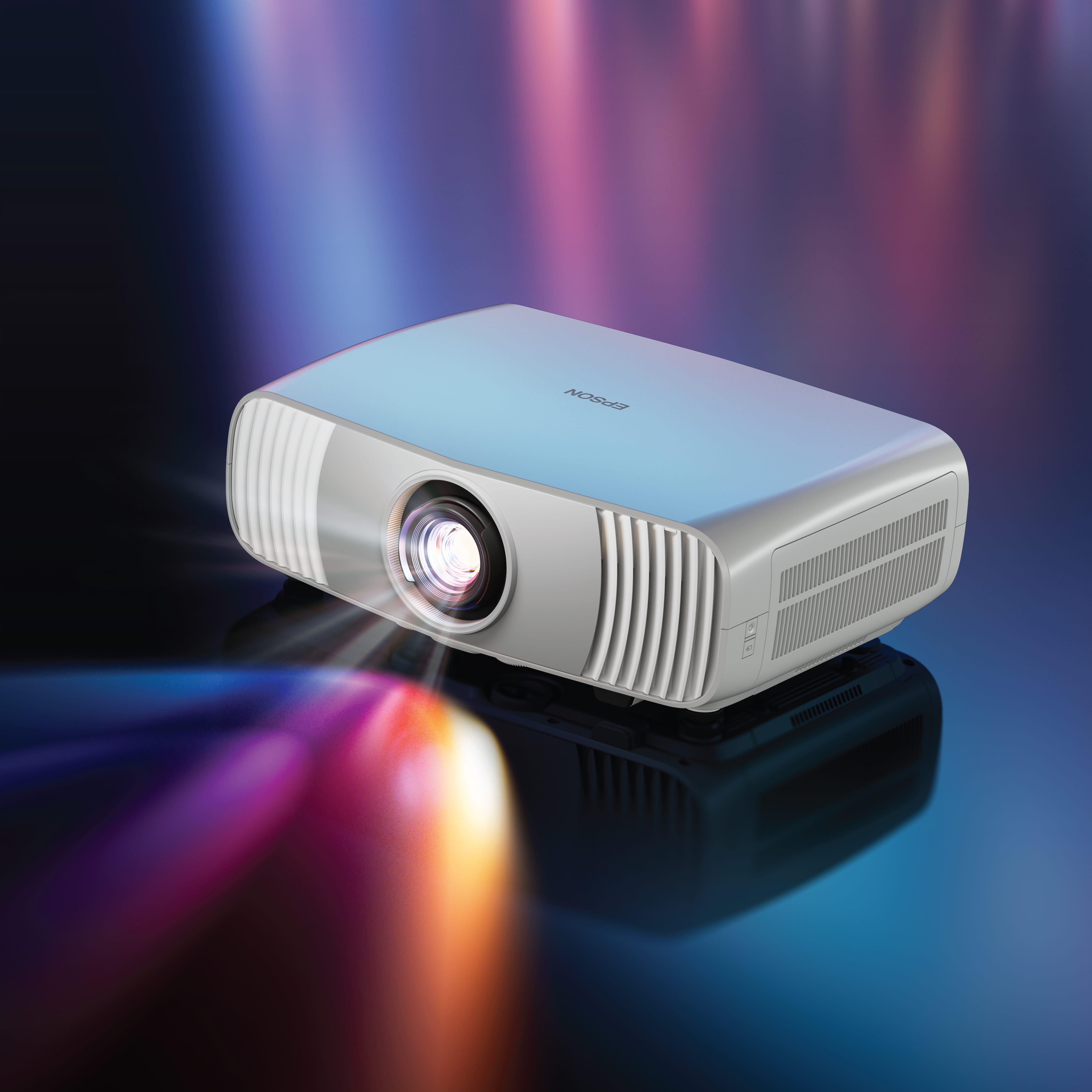
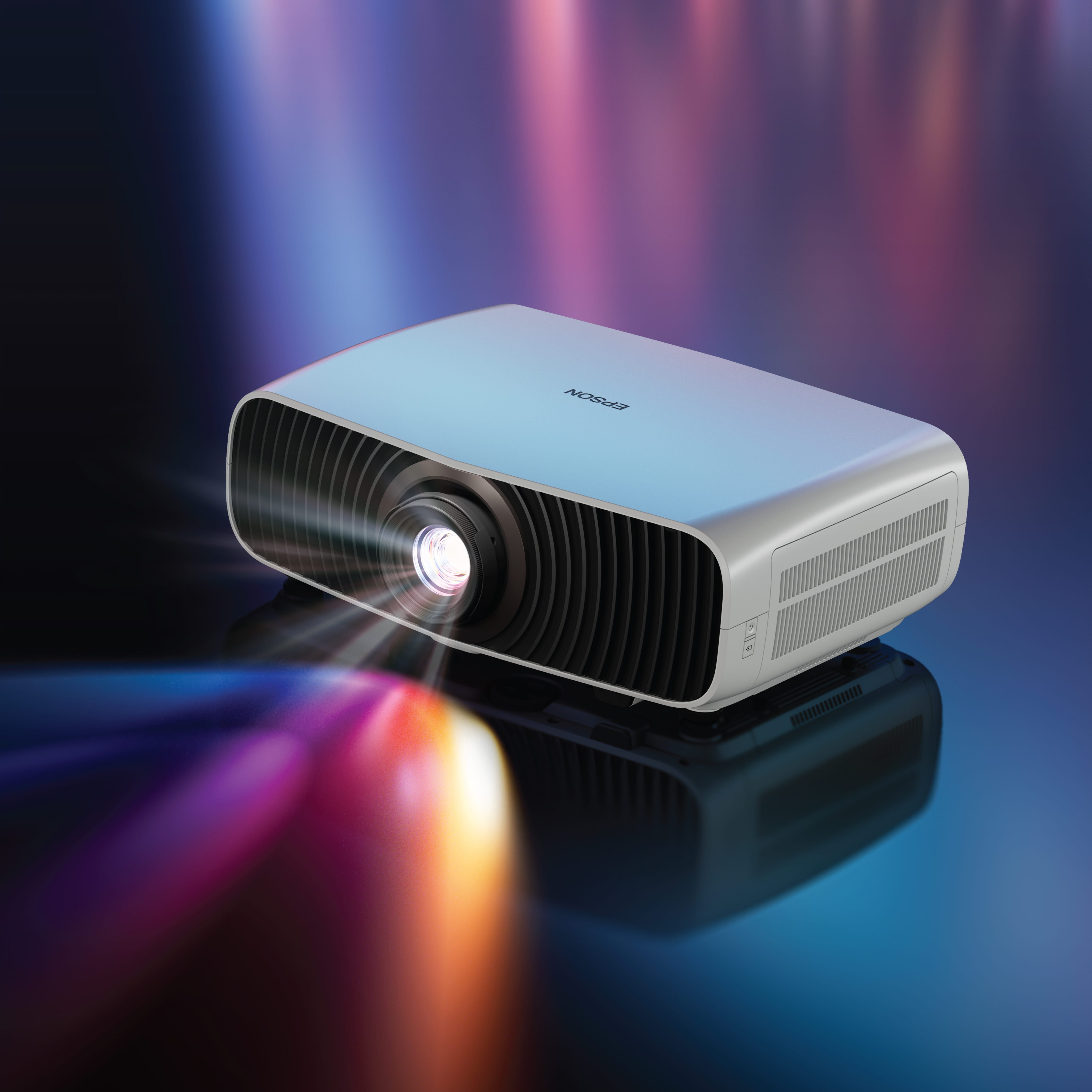
Epson is expanding its Home Cinema range with three new 4K HDR laser projectors aimed at people who want a very big screen without stepping up to the company’s $4,500 LS11000.
The new Home Cinema LS5000, LS6000 and LS7500 start at $1,999 and use Epson’s 3-Chip 3LCD projection system paired with a laser light source. Depending on the model, brightness ranges from 2,500 to 3,500 lumens for both color and white brightness.
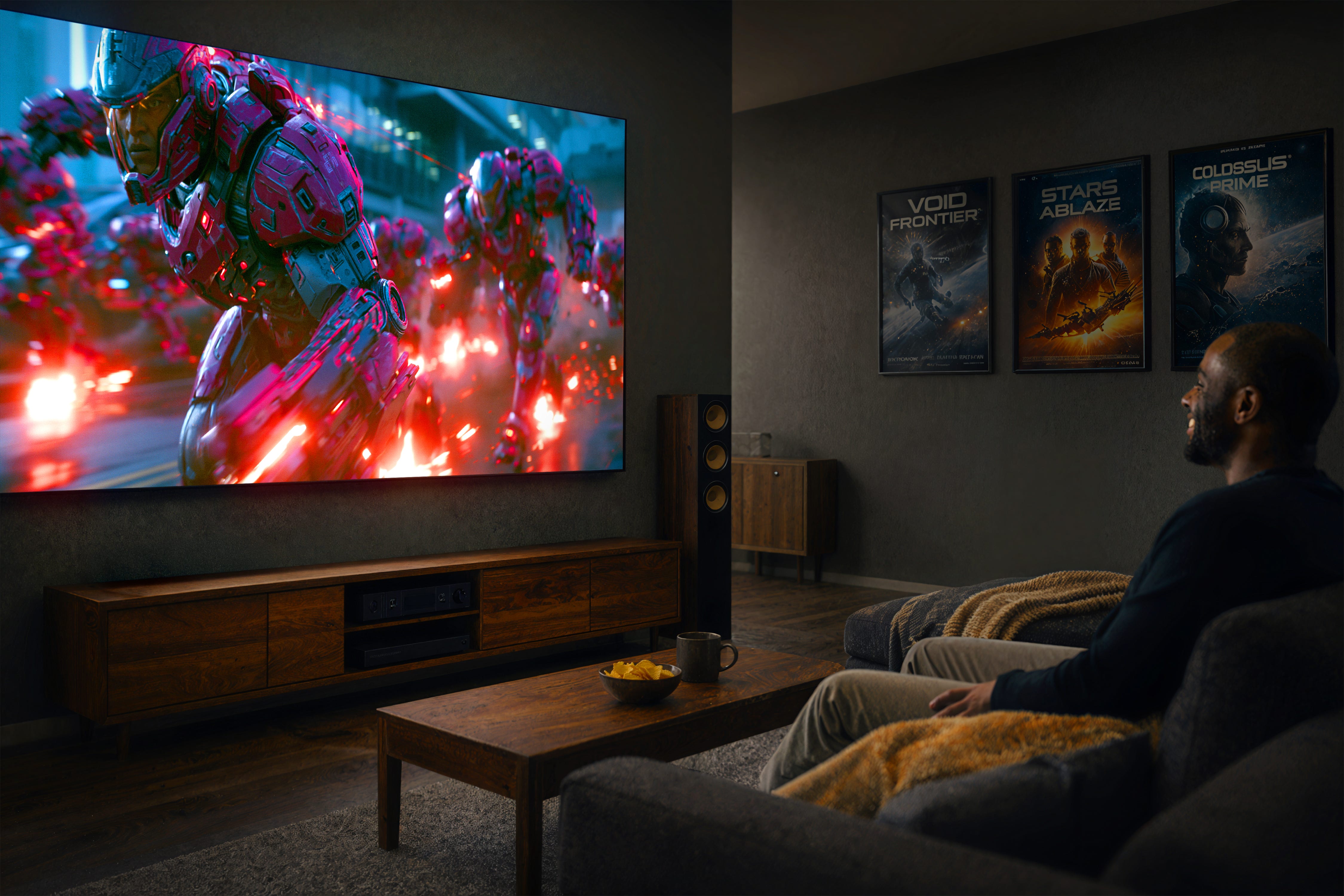
All three use Epson’s 4K display technology to produce an 8.29-million-pixel image and can project images up to 300 inches. They also support HDR10 and HLG, with 10-bit HDR processing and Epson’s Automatic HDR Scene Correction.
The biggest differences between the models come down to brightness, contrast and where you can put them.
The $1,999 LS5000 is the entry point, while the $2,199 LS6000 moves further up the range. Both use Epson’s Cinema lens. The $2,699 LS7500 gets a short-throw lens that allows it to sit closer to the screen than a conventional projector. That could be particularly useful if you want a large image but don’t have a room deep enough to mount a traditional projector far behind the seating area.
Installation flexibility is a big part of the design. The projectors have front-exiting airflow, which should make them easier to place in cabinets or tighter spaces, along with manual lens shift of up to 59 percent vertically and 21 percent horizontally. They support both conventional 16:9 content and wider cinematic formats including 21:9.
Epson is also clearly going after gamers with this generation.
Both HDMI ports can handle 4K HDR signals at up to 120Hz, and Epson claims input lag below 20 milliseconds. Auto Low Latency Mode is included, while one of the HDMI connections supports eARC for sending audio to a compatible receiver or sound system.
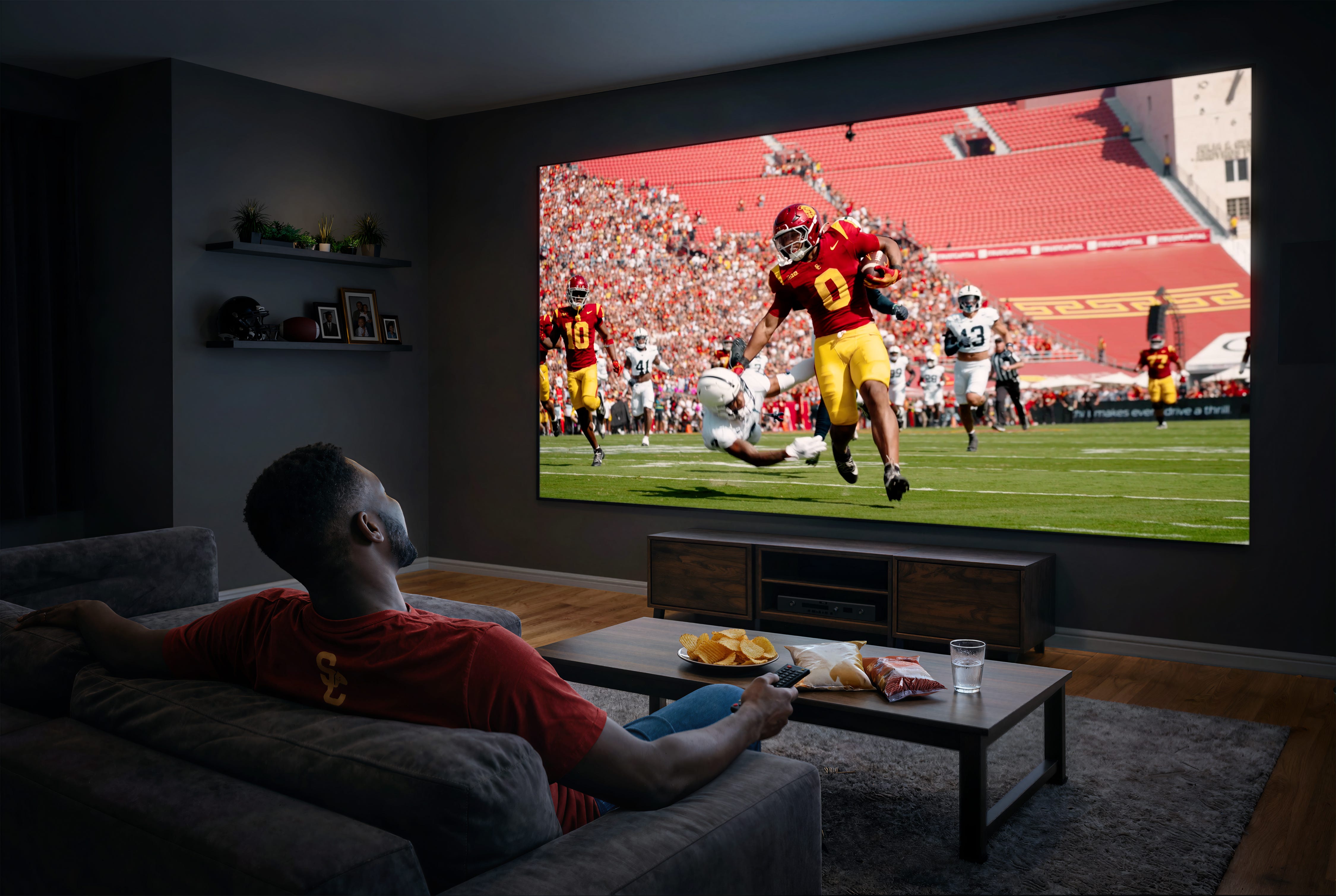
That combination makes these considerably more interesting for a PlayStation 5, Xbox Series X or gaming PC than an older home theater projector designed primarily around 24 or 60 frame-per-second video.
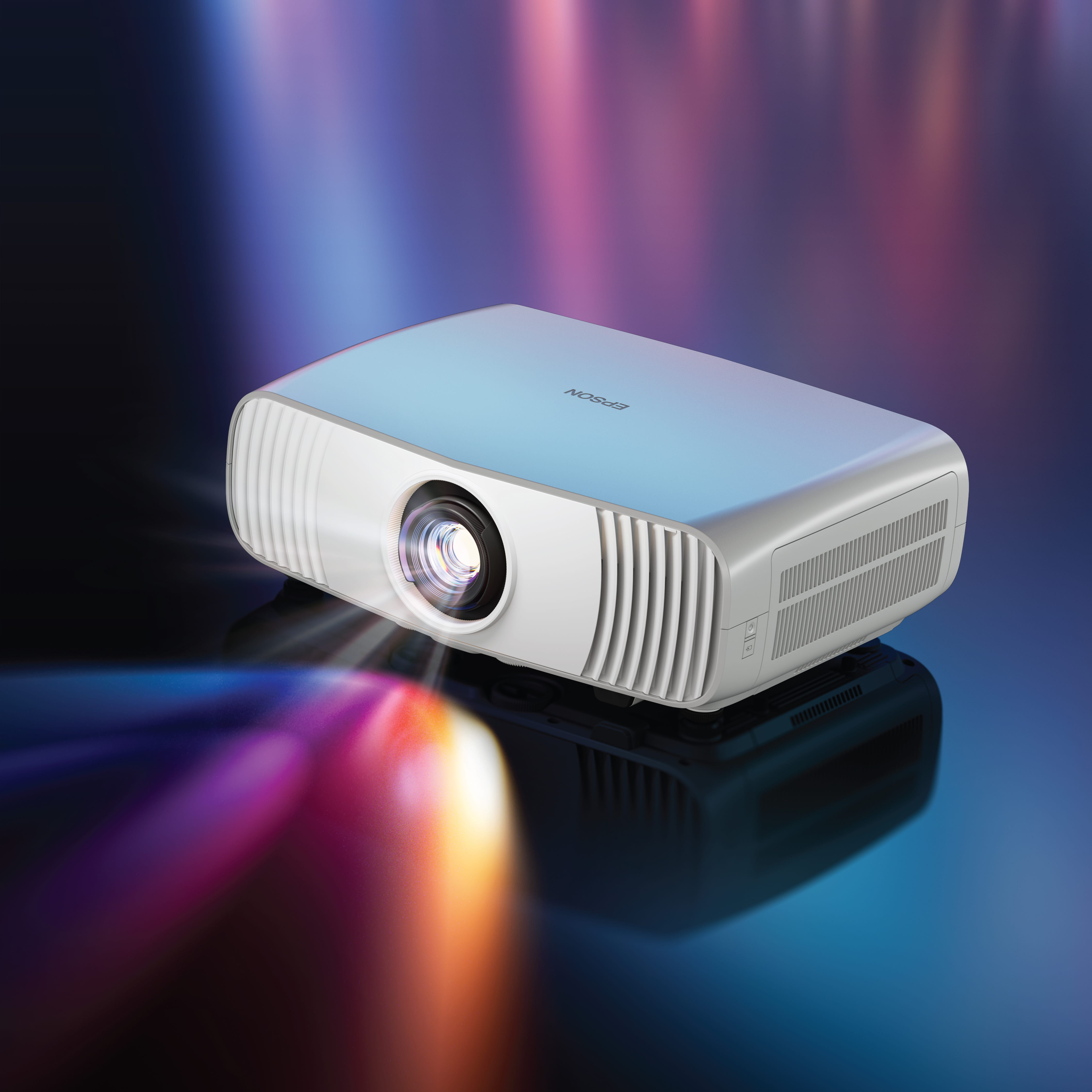
There’s also Bluetooth 6.0 for two-channel wireless audio. That means you can connect Bluetooth headphones directly to the projector for late-night viewing rather than running everything through a separate audio system.
The move to laser is probably the bigger reason for owners of older projectors to pay attention. Lamp projectors gradually lose brightness and eventually require replacement bulbs. A laser light source removes the recurring lamp replacement from the equation while providing the brightness needed for a large HDR image.
And Epson is making an increasingly compelling argument for projection as televisions continue getting larger.
An 85-inch or 98-inch television is now relatively easy to buy, but once you start talking about 120, 150 or even 200 inches, projection remains one of the few practical ways to get there. A retractable screen also disappears when you’re finished watching it, rather than leaving a giant black television dominating the wall.
There are compromises. These are still projectors, so room lighting, screen choice and installation will have a major effect on the final image. And while Epson quotes dynamic contrast ratios ranging from 800,000:1 to 1,200,000:1 across the new models, manufacturer contrast specifications rarely tell the entire story about actual black-level performance.
Still, Epson has pushed several features that used to distinguish more expensive home theater projectors further down its lineup. Laser illumination, 4K HDR, 120Hz input, lens shift and large-screen support now start at just under $2,000.
The Home Cinema LS5000 will cost $1,999.99, the LS6000 $2,199.99 and the short-throw LS7500 $2,699.99. All three are scheduled to go on sale in late September.
The existing LS11000 remains at the top of Epson’s Home Cinema lineup at $4,499.99.
For someone still running an aging lamp projector, the LS5000 may be the most interesting number here. You can now get into Epson’s 4K HDR laser lineup for less than half the price of its flagship.