
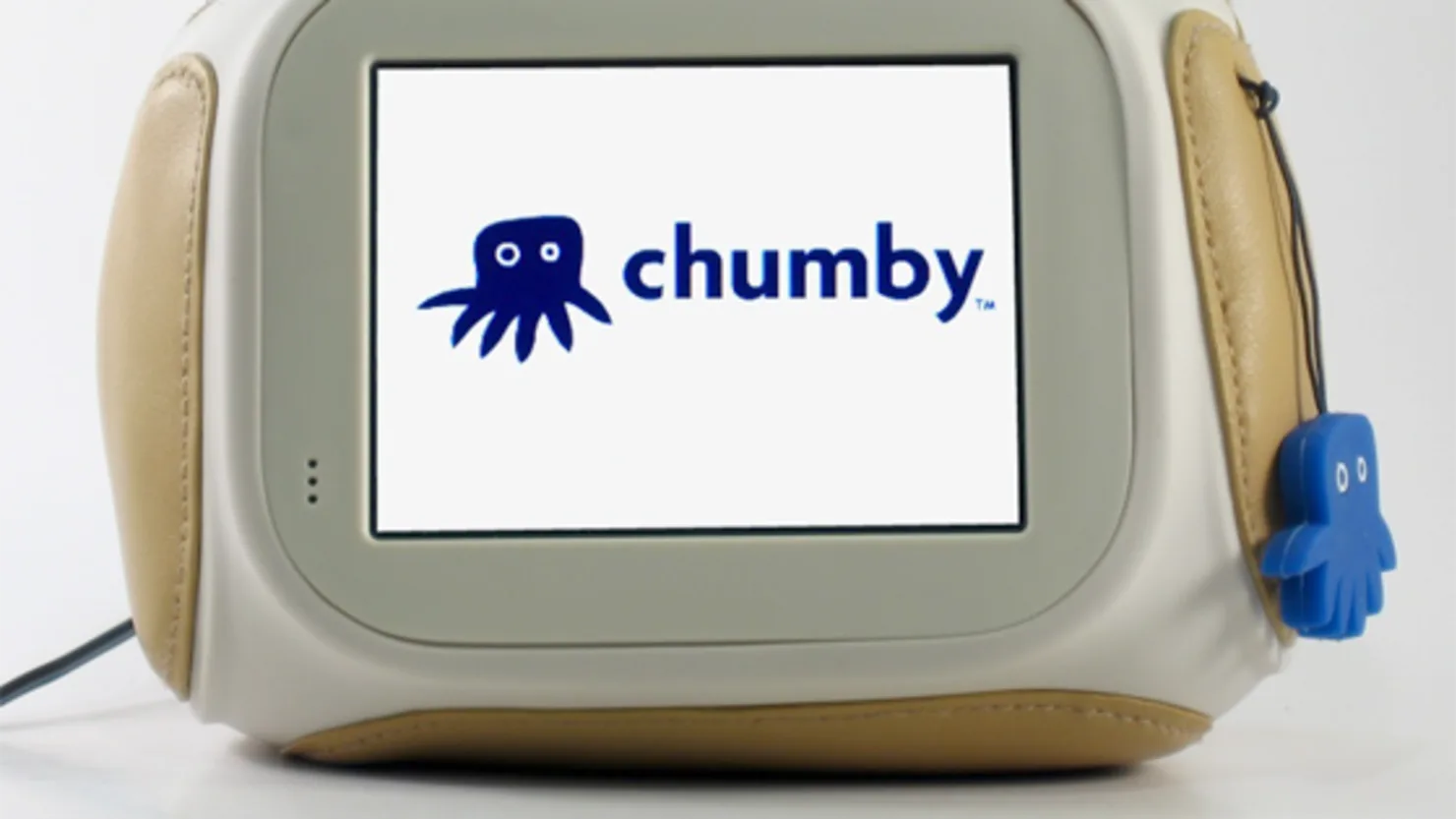
Chumby: The cute little smart display that was ahead of its time
Meet the soft little display that won hearts around the world.
Long before the Amazon Echo Show, Google Nest Hub, or even the iPad, there was the Chumby.
Released in 2008, the $200 Chumby was a strange little Linux computer wrapped in soft leather with a 3.5-inch, 320×240-pixel touchscreen, stereo speakers, Wi-Fi, and an accelerometer. It sat on your bedside table or kitchen counter and displayed clocks, weather, RSS feeds, news headlines, Flickr photos, podcasts, Internet radio, stock prices, and thousands of other widgets. It was always on, always connected, and always updating.
In 2008, a device like the Chumby felt like the future. Devices like One Laptop Per Child were turning towards a softer, kinder design language that was echoed by the early iMac. Gone were hard lines and blue LEDs, replaced by pleather and cute little squids.
I remember seeing Chumby for the first time, probably at CES, and thinking that I wanted one. The idea of an always-on device that just sat there was quite tantalizing, and there weren’t enough DIY tools available to make something like the e-ink weather display that sat on my desk for years until the Raspberry Pi that powered it burned out.
The Chumby’s original creator, Andrew “bunnie” Huang, launched the product at Foo Camp in 2006. The original product reached developers who were tasked with building apps for the device. The company launched in San Diego and, amazingly, raised $5 million from OATV, Avalon Ventures, and Masthead Venture Partners in December 2006. Steve Tomlin worked with Huang to bring Chumby Industries to life.
Although the Chumby looked like a plush toy, it was anything but. The Chumby ran Linux, its hardware designs were open to developers, and owners were encouraged to modify both the software and the electronics. It became a favourite among hackers because it was easy to customise. It was a definite predecessor to smart displays from Google and Amazon, but there was one important difference: the Chumby was open and ostensibly offered an opportunity for developers to create apps for the little device — something the then-nascent iPhone decidedly didn’t let you do.
Plus, it was cute. Julie Strietelmeier (whose photos I stole because all the posts I wrote about the Chumby on TechCrunch are gone) of the Gadgeteer wrote: “As an internet device, the Chumby is a lot of fun. Sure, you can access all the same information on your regular computer, but you would need to manually go to each site to get the info. With this device, the info comes to you.”
Another interesting aspect of the Chumby launch was their Chumblog, a very detailed WordPress blog about the Chumby and announcing all the various changes to the platform over the years. This was probably one of the most visible and interesting examples of “building in public” I’ve ever seen.
The idea behind the device was simple. Instead of sitting down at a computer to check the weather or read the news, the Internet should quietly exist around you. The Chumby was designed to surface useful information at a glance, making it one of the earliest examples of what we would now call ambient computing.
Chumby came at an interesting time in the tech ecosystem. The iPhone was the ultimate closed device, and app stores were just taking off on other platforms. The idea of an always-connected smart home device was difficult to imagine, but manufacturers like Samsung and Sony were promising instant handoff from your phone to your TV to your fridge, with devices sensing where you were and turning on as needed.
The Chumby was supposed to be the window into that smart home brain, a way to interact with all the devices on your brand-new Wi-Fi network. It’s hard to imagine now, but we were not as inundated with screens back in 2008, and adding another one, even a chintzy 320×240-pixel one, seemed like the future.
What happened to Chumby?
The company launched the $100 Chumby One in 2009, a plastic version of the Chumby hardware that was easier to mass-produce. They went on to launch a few more models and kept the servers running until about 2012. The blog was updated as late as December 2014.
Chumby’s problem was timing. Smartphones quickly became the place where people checked news, social media, and weather. For many owners, the devices stopped working when the company’s servers disappeared, although an enthusiastic community later kept the platform alive with open-source firmware and subscription services. The Chumby was simply too underpowered to withstand the onslaught of DIY gear that was coming out, including the aforementioned Raspberry Pi and Arduino devices that could do everything Chumby could do.
Chumby was an odd evolutionary turn-off from the jungle of always-on devices that now rule our lives. It was soft, cute, and silly, something gadgets rarely are.
Looking back today, the Chumby feels less like a failed gadget and more like a glimpse of the future. It predicted smart displays, connected homes, open hardware, and the idea that useful information should simply appear when you need it. It arrived years before the world was ready and showed the world the softer side of the Web, something that is absolutely missing for us all right now.


